Menu

How ScaleQ Integrates with HaulHub for DOT e-Ticketing Compliance
August 18, 2026 4 min read
As transportation agencies continue modernizing project documentation requirements, electronic ticketing has become an increasingly important part of many state-funded construction and infrastructure projects.
For aggregate producers, asphalt plants, concrete suppliers, and other material providers working on Department of Transportation (DOT) projects, the transition from paper tickets to digital ticket exchange introduces new operational requirements. Managing ticket information efficiently while maintaining accurate records has become an important part of staying competitive in today's market.
Modern scale management software can help simplify this process by connecting weighing operations directly to approved electronic ticketing platforms.
One example is the integration between ILS ScaleQ and HaulHub.
Why DOT Agencies Are Moving to Electronic Ticketing
Across the construction and transportation industries, agencies are adopting electronic ticketing programs to improve documentation, increase transparency, and reduce reliance on paper-based processes.
Paper tickets can be misplaced, damaged, delayed, or require additional administrative effort to manage throughout a project's lifecycle. Electronic ticketing allows project stakeholders to access delivery information digitally, helping improve visibility from production through final delivery.
Benefits of electronic ticketing can include:
- Improved access to delivery records
- Reduced paperwork handling
- Faster project documentation and reporting
- Improved data accuracy
- Better long-term record retention
- Enhanced jobsite efficiency
As electronic ticketing mandates become more common, material producers need systems that can support these requirements without creating additional work for scale operators and dispatch teams.
DOT e-Ticketing vs. Paperless Scale Ticketing
The terms "electronic ticketing" and "paperless ticketing" are sometimes used interchangeably, but they often serve different purposes.
What Is Paperless Scale Ticketing?
Paperless scale ticketing generally refers to delivering scale tickets electronically instead of printing physical copies. Tickets may be delivered through:
- PDF delivery
- Customer portals
- Digital record systems
The primary goal is reducing paper usage while improving accessibility for customers and internal teams.
What Is DOT e-Ticketing?
DOT e-Ticketing platforms are designed to facilitate the exchange of ticket information among material suppliers, contractors, inspectors, and transportation agencies.
These systems often support project-specific compliance requirements and provide visibility into material movements and deliveries associated with infrastructure projects.
Understanding the distinction helps operations choose the right tools for their specific business needs.
How the ScaleQ and HaulHub Integration Works
The integration between ScaleQ and HaulHub is designed to streamline the transfer of ticket information from the scale directly to the electronic ticketing platform.
Weighment Data Is Captured
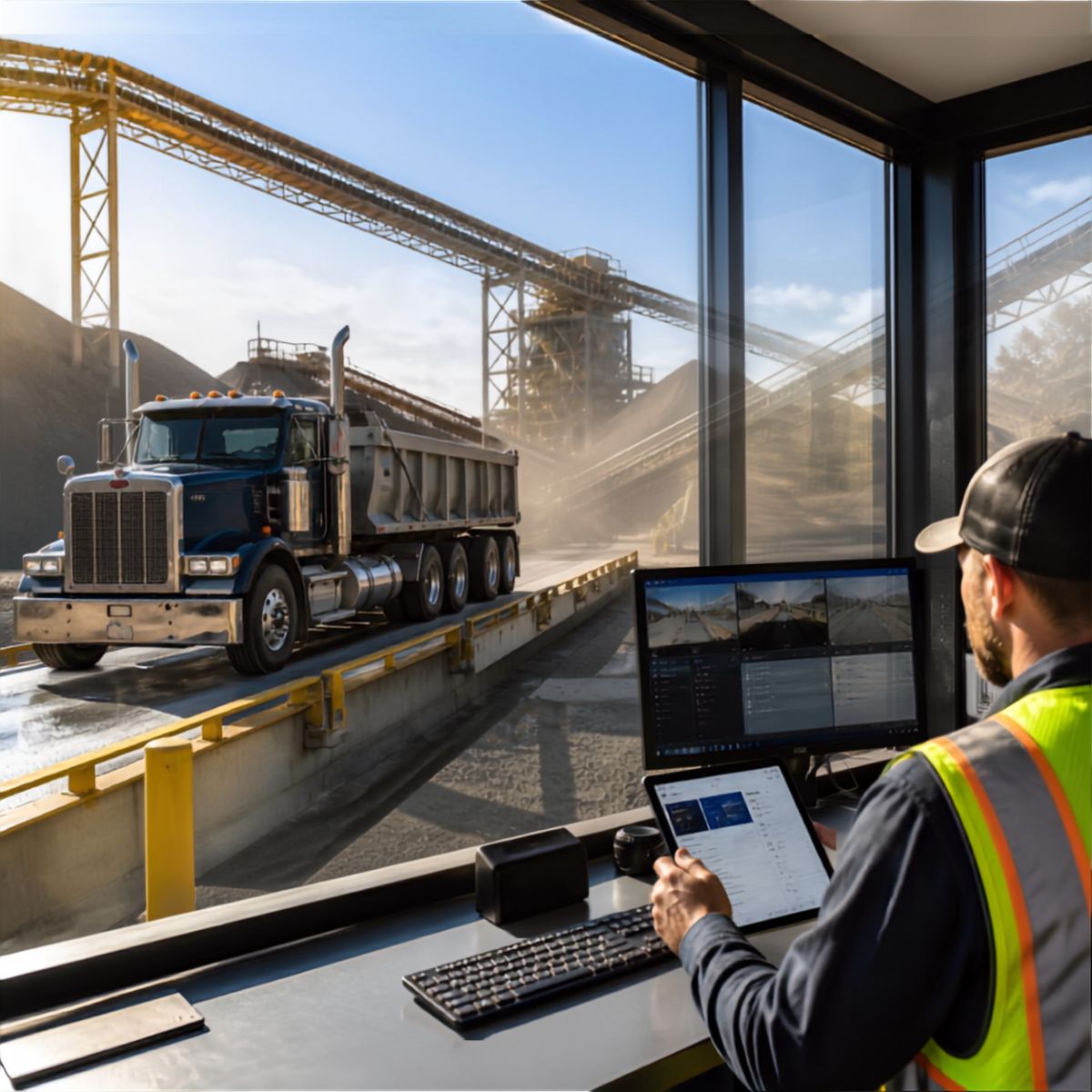
When a truck completes a weighing transaction, ScaleQ records the information associated with the load, including:
- Gross weight
- Tare weight
- Net weight
- Material information
- Transaction details
This process works for both attended and unattended weighing environments.
Ticket Information Is Generated
After the transaction is completed, ScaleQ compiles the information required for ticket generation and documentation.
Depending on the operation, this may include:
- Customer information
- Job details
- Material descriptions
- Timestamps
- Load information
Data Is Transmitted Automatically
Rather than requiring manual entry into a separate platform, ScaleQ can securely transmit ticket information directly to HaulHub through an API connection.
This allows information to move electronically from the scale system to the e-Ticketing platform without additional administrative handling.
Information Becomes Available to Project Stakeholders
Once received, HaulHub makes the appropriate ticket information available to authorized parties involved in the project workflow.
This helps support documentation requirements while improving visibility throughout the project lifecycle.
Benefits for Material Producers
Operations participating in DOT projects often face pressure to maintain documentation accuracy while keeping trucks moving efficiently through the facility.
Integrated electronic ticketing workflows can help address both objectives.
Reduced Administrative Work
Manual data entry can consume valuable time and increase the likelihood of mistakes. Automated transmission helps eliminate duplicate data entry and simplifies the documentation process.
Improved Accuracy
Direct software-to-software communication reduces opportunities for transcription errors, missing information, and inconsistencies between systems.
Faster Scale Operations
Reducing paperwork and manual processing can help improve throughput and minimize delays at busy facilities.
Better Compliance Readiness
As electronic ticketing requirements continue to evolve, integrated systems can help operations adapt without requiring major changes to established workflows.
Which Operations Benefit Most?
Electronic ticketing integration can provide value across a variety of industries, including:
- Aggregate operations
- Asphalt plants
- Ready-mix concrete operations
- Mining operations
- Material suppliers serving public infrastructure projects
Organizations that regularly participate in DOT-funded work are often among the earliest adopters due to project requirements and documentation standards.
Supporting Attended and Unattended Operations
As discussed in our recent article, What Is Unattended Weighing and Is It Right for Your Operation?, many producers are exploring automation to improve efficiency and reduce bottlenecks at the scale.
Electronic ticketing integration complements these efforts by helping ensure that transaction data continues moving smoothly after the weighing process is complete.
Whether a transaction occurs through a scale operator or an unattended kiosk, automated ticket workflows help create a more efficient process from scale to project delivery.
How ILS Can Help
For more than 40 years, ILS has helped material producers improve scale operations through practical software and automation solutions.
ScaleQ supports daily weighing operations while providing tools that help streamline ticketing, reporting, data collection, and system integration. For operations participating in DOT projects, integrations such as HaulHub can help reduce administrative effort while supporting electronic ticketing requirements.
The goal is simple: accurate transactions, efficient workflows, and reliable information that moves with your operation.
Leave a comment
Comments will be approved before showing up.
Subscribe
Sign up to get the latest on sales, new releases and more …