Menu

One Scale Two Businesses When Operations Don't Fit the Rules
August 31, 2026 3 min read
Why Real-World Operations Sometimes Require a Different Approach
Not Every Operation Fits the Rules
Most scale management systems are built around a simple assumption: One scale. One business. One workflow. For many operations, that's exactly how things work. But every once in a while, an operation comes along that doesn't fit the assumptions.
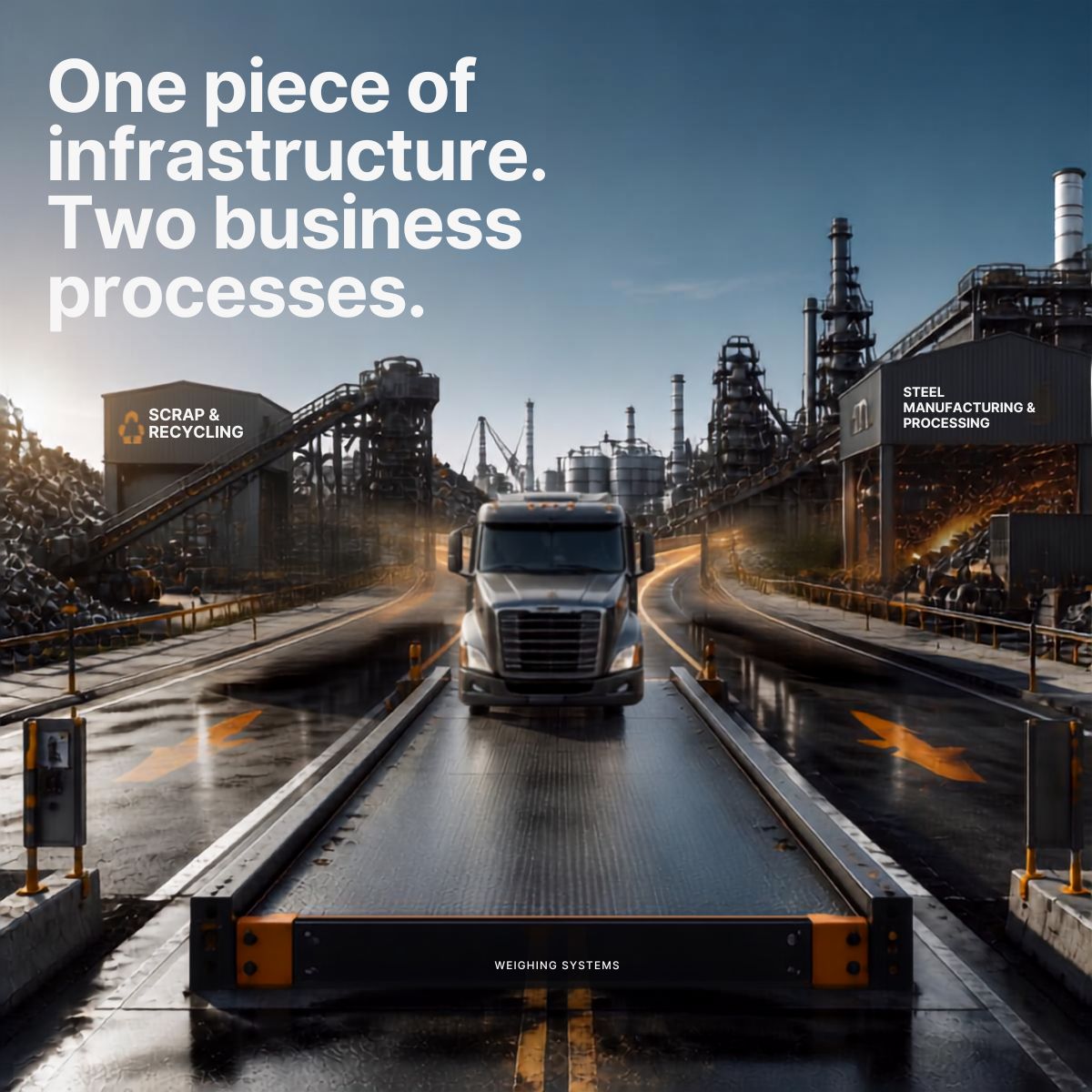
One such operation involved a scrap recycling business and a steel producer sharing the same truck scale while maintaining separate business interests, reporting requirements, and financial accountability. The scale itself worked perfectly. The challenge was everything happening around it.
When One Scale Serves Two Businesses
At this facility, inbound scrap and recycled materials were received and weighed before eventually becoming part of the steel production process.
On the surface, it seemed straightforward. Trucks arrived, material was weighed, and transactions were recorded. The complication was that two separate companies were involved.
One company was responsible for scrap recycling operations. The other was responsible for steel production. Both businesses relied on the same scale, but each required its own transaction records, reporting, and operational visibility.
The scale was shared. The business processes were not.
The Weight Wasn't the Problem
When people think about truck scales, they often focus on the weight. In reality, the weight is usually the easiest part. The bigger question is what happens with the information attached to that weight.
For this operation, every transaction needed to answer several questions:
- Which company owns this transaction?
- How should it be reported?
- Who is financially responsible?
- Where should the information be stored?
- What type of material is being processed?
The challenge wasn't collecting accurate weights. The challenge was ensuring each organization received the information it needed without creating separate systems or duplicate work.
A Transaction Is More Than a Weight
Many industrial operations depend on information that extends far beyond scale readings.
A single transaction may include:
- Material information
- Customer information
- Supplier information
- Contract information
- Inventory information
- Financial information
- Regulatory reporting requirements
When organizations share equipment or operational resources, managing that information becomes even more important. The weight remains the same. The business process surrounding it becomes significantly more complex.
Software Has to Match Reality
Standard software typically follows standard assumptions. That works well when operations follow conventional workflows. But businesses evolve. Companies work together. Facilities share infrastructure. Operations develop procedures that reflect the realities of their industry. In situations like these, forcing the operation to fit the software often creates more problems than it solves.
A better approach is understanding how the business functions and then supporting those requirements through technology. The goal is not to change how the operation works. The goal is to help the operation work better.
Real Operations Rarely Look Like the Textbook
Over the years, we've seen many examples where operational requirements extended beyond standard software assumptions. Some facilities manage multiple business units from a single system. Others combine landfill and aggregate operations. Some track materials entering specialized manufacturing processes, while others need detailed inventory visibility across multiple locations.
Every operation is different. The best solutions begin with understanding those differences rather than assuming every customer operates the same way.
What We Learned
Projects like this reinforce an important lesson: The truck scale is often only one part of a much larger business process.
Understanding who owns the transaction, where the information needs to go, and how the operation functions day to day is often more important than the actual weight being captured.
When technology supports the way people work, operations become more efficient, information becomes more useful, and businesses gain greater visibility into their activities.
Conclusion
Most software systems are built around common assumptions.
Most real-world operations are not.
When two businesses share infrastructure, standard workflows do not always provide the flexibility required to support the operation effectively.
By focusing on the business process rather than just the scale transaction, organizations can create solutions that support accountability, efficiency, and long-term operational success.
After more than 40 years of working with industrial operations, one lesson continues to hold true: Not every operation fits the rules.
Leave a comment
Comments will be approved before showing up.
Subscribe
Sign up to get the latest on sales, new releases and more …