Menu

A Weight Isn't Just a Weight
October 19, 2026 2 min read
How Tracking Raw Materials Creates Visibility Throughout the Manufacturing Process
It Starts With a Delivery
When most people think about a truck scale transaction, they think about a truck pulling onto a scale, capturing a weight, and receiving a ticket.
Simple.
But in many operations, the scale transaction is only the beginning of a much larger process.
A load of raw material arriving at a facility is more than a weight. It's an inventory transaction. A supplier transaction. A production input. A record that may influence planning, forecasting, purchasing decisions, and customer commitments.
The weight itself is important.
The information connected to that weight is often even more valuable.
From Raw Materials to Finished Products
Manufacturing operations depend on understanding what materials are arriving, when they arrived, and how much was received.
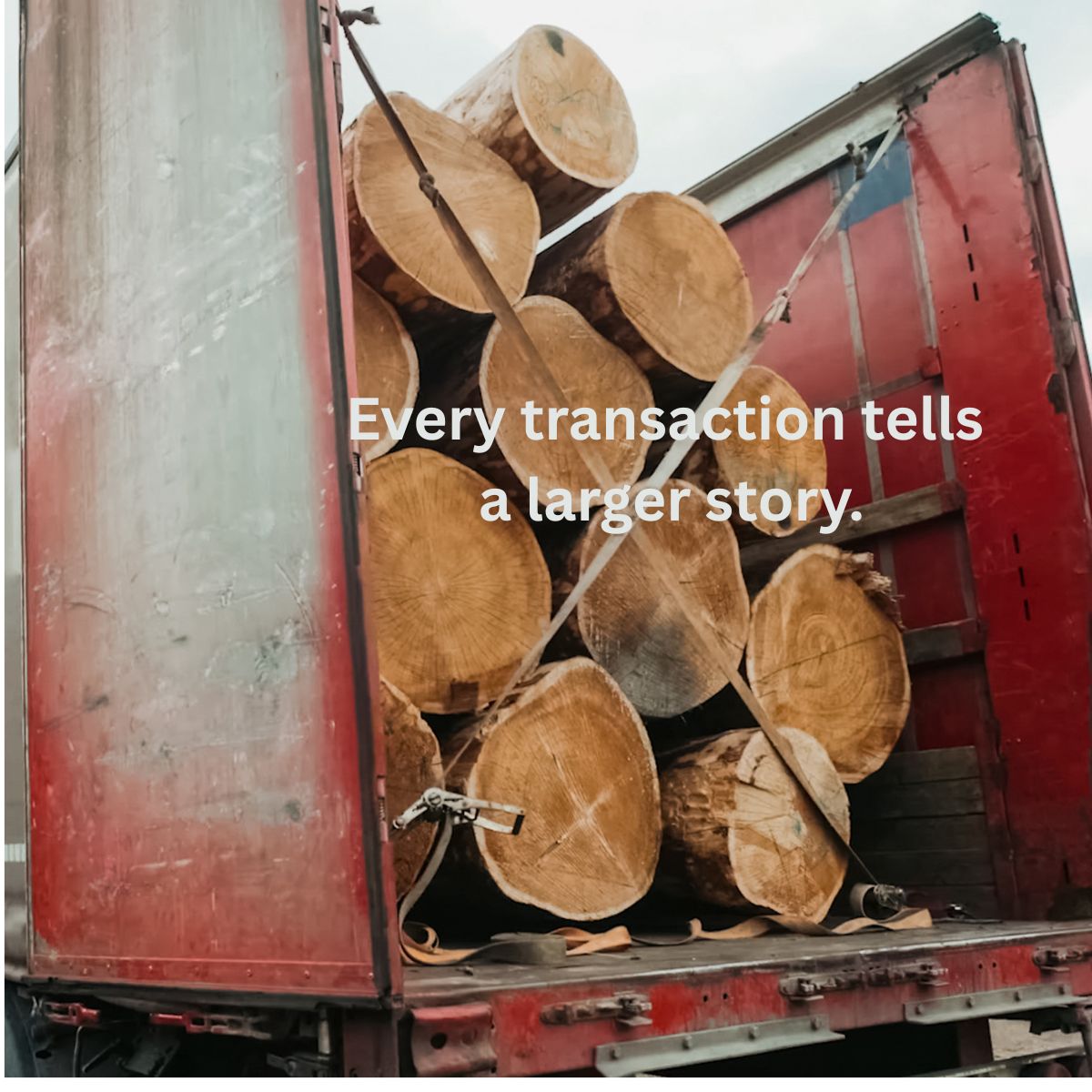
In the wood products industry, for example, inbound logs often serve as the starting point for a much longer production process.
Before products can be manufactured, materials must first be:
- Received
- Identified
- Recorded
- Added to inventory
- Managed throughout production
Accurate information at the point of receipt helps create visibility throughout the rest of the operation.
Without it, every step that follows becomes more difficult to track and manage.
What Happens After the Scale Matters
Receiving material is only one part of the story.
Operations often need to answer questions such as:
- Which supplier delivered the material?
- How much material has been received this month?
- What inventory is currently available?
- How much has been consumed in production?
- How much remains on hand?
The ability to answer those questions depends on having reliable information at the beginning of the process.
A single weight transaction can influence inventory management, production planning, reporting, and purchasing decisions long after the truck has left the facility.
Visibility Creates Better Decisions
Organizations that accurately track incoming materials gain more than inventory records.
They gain visibility.
Visibility helps operations:
- Plan production
- Manage supplier relationships
- Monitor inventory levels
- Improve forecasting
- Support reporting requirements
Good information allows managers to make decisions based on facts rather than assumptions.
Different Industries Face the Same Challenge
While this example comes from a manufacturing environment, the concept extends far beyond wood products.
Aggregate producers track incoming and outgoing materials.
Recyclers track purchased and processed material.
Rail transloading operations track receipts and shipments.
Landfills track inbound disposal activity.
The industries may be different, but the challenge is often the same:
Know what was received, know where it went, and know what remains.
More Than a Number
The scale captures a weight.
What happens next determines the value of that information.
A weight may represent:
- A supplier delivery
- An inventory addition
- A production input
- A customer order
- A business decision
Organizations that connect weight information to inventory, reporting, and operational processes gain a clearer understanding of how materials move through their business.
That understanding creates accountability, visibility, and better decision-making.
Because in many operations, a weight isn't just a weight.
It's the beginning of the story.
Leave a comment
Comments will be approved before showing up.
Subscribe
Sign up to get the latest on sales, new releases and more …